
Japanese plant foods, with their unique blend of ingredients, offer a distinctive approach to nurturing indoor greenery. Beyond mere fertilization, these products often incorporate cultural elements, drawing on centuries of horticultural wisdom. Understanding their composition and application is key to maximizing plant health and vibrancy within indoor environments.
This exploration delves into the specifics of Japanese plant foods, from their key ingredients and benefits to optimal application methods. We’ll also compare them to conventional fertilizers, examine their environmental impact, and highlight the varieties of indoor plants that flourish with this specialized approach.
Introduction to Japanese Plant Food for Indoor Plants

Japanese plant foods, often employed in meticulous indoor gardening practices, offer a unique approach to nurturing thriving houseplants. These formulations, rooted in centuries-old horticultural traditions, utilize a blend of natural ingredients, meticulously chosen for their specific benefits to plant health. The emphasis on holistic nourishment, coupled with a focus on promoting natural growth, makes them a compelling alternative for indoor plant enthusiasts seeking to elevate their care routine.These formulations differ significantly from conventional plant foods, prioritizing organic and naturally derived ingredients over synthetic additives.
Their primary aim is to foster a healthy environment for root development and overall plant vigor, resulting in lush, vibrant foliage and robust growth. Furthermore, Japanese plant foods often incorporate principles of balancing soil nutrients, promoting symbiotic relationships within the soil, and mimicking natural growth cycles.
Key Ingredients and Their Roles
Japanese plant foods often include a diverse array of ingredients, each contributing to specific aspects of plant health. For example, seaweed extracts are frequently incorporated, providing essential micronutrients and trace elements. Furthermore, fermented plant matter or natural extracts can enhance microbial activity in the soil, promoting nutrient availability and overall plant health. The precise combinations and proportions of these ingredients vary based on the specific plant species and desired outcome.
Common ingredients include carefully chosen organic fertilizers and botanical extracts, meticulously combined to achieve optimal growth conditions for indoor plants.
Cultural Significance in Japanese Gardening Practices
The use of these specialized plant foods reflects a deep-rooted cultural appreciation for nature and meticulous care in Japanese gardening. The practice ofShohin*, the cultivation of miniature bonsai trees, emphasizes the artistry and mindfulness inherent in nurturing plants. Similarly, Japanese plant foods are often part of a holistic approach to plant care, focusing on creating an environment that mimics natural conditions.
These principles extend beyond aesthetics to encompass a deep respect for the natural world and its intricate processes. Furthermore, the emphasis on natural ingredients and minimal intervention reflects a commitment to maintaining the intrinsic beauty and vitality of the plant.
Types of Japanese Plant Foods Available
A variety of Japanese plant foods cater to diverse indoor plant needs. These range from liquid formulations, easily incorporated into watering routines, to granular powders that provide sustained nutrient release. Some brands offer specialized blends tailored to specific plant types, recognizing the unique nutritional requirements of various species.
| Type | Characteristics | Suitable for |
|---|---|---|
| Liquid | Easy to apply, provides immediate nutrient uptake. | Wide range of indoor plants, particularly those needing frequent feeding. |
| Granular | Sustained release of nutrients, suitable for infrequent application. | Plants with slower growth rates or those requiring less frequent feeding. |
| Specialized Blends | Tailored to specific plant needs (e.g., flowering plants, leafy greens). | Plants with particular growth requirements or those seeking enhanced visual characteristics. |
The selection of a specific type of Japanese plant food should be based on the plant’s needs and the desired growth outcomes. Factors such as the plant’s growth rate, the frequency of watering, and the overall environment of the indoor garden should be considered.
Benefits of Using Japanese Plant Food
Japanese plant foods, often formulated with a focus on natural ingredients and balanced nutrient profiles, offer distinct advantages over conventional indoor plant fertilizers. Their unique composition can contribute to improved plant health, vigor, and overall well-being, particularly for indoor environments where optimal growth conditions can be challenging to maintain. These specialized formulas aim to mimic natural processes, potentially leading to more robust and resilient indoor plants.The key differentiator lies in the emphasis on a balanced nutrient delivery system, often incorporating trace elements and organic components.
This approach contrasts with some conventional fertilizers that can lead to nutrient imbalances or rapid growth followed by stagnation. Japanese plant foods are designed to provide a more sustained and comprehensive nutrient supply, promoting healthier root development and overall plant vigor. This approach, particularly beneficial for indoor environments, supports long-term health and resilience.
Enhanced Plant Health and Vigor
Japanese plant foods, frequently incorporating seaweed extracts and beneficial microbes, contribute to overall plant health. These ingredients can boost the plant’s natural defenses, making them more resilient to environmental stresses common in indoor environments. This translates to healthier leaves, improved flowering, and a more vibrant appearance. The enhanced vigor often results in more robust growth, a stronger root system, and a greater capacity to withstand typical indoor conditions like low humidity or fluctuating light levels.
Improved Root Development and Nutrient Absorption
The careful formulation of Japanese plant foods often emphasizes the development of a healthy root system. This is crucial for nutrient absorption, as a robust root network effectively gathers essential elements from the growing medium. By providing a balanced mix of nutrients and promoting beneficial microbial activity, these plant foods encourage robust root growth, leading to more efficient nutrient uptake and overall plant health.
This can be particularly advantageous in containers, where root space is often limited.
Comparison Across Indoor Plant Types
The effectiveness of Japanese plant foods can vary depending on the specific type of indoor plant. For example, leafy green plants might benefit from the balanced nutrient delivery, promoting healthy foliage and robust growth. Flowering plants might experience a more pronounced enhancement in flowering production, while succulents might benefit from the slow-release nutrients, ensuring consistent hydration and nourishment, vital in their arid conditions.
| Plant Type | Potential Benefits |
|---|---|
| Leafy Greens | Enhanced foliage growth and vibrant appearance. |
| Flowering Plants | Increased flowering production and improved bloom quality. |
| Succulents | Consistent hydration and nourishment, supporting optimal growth in arid conditions. |
Note: Individual plant needs may vary, and observation is key to optimizing plant care using Japanese plant foods.
Choosing the Right Japanese Plant Food
Navigating the diverse world of Japanese plant foods for indoor greenery requires a discerning eye. Different indoor plants have unique nutritional needs, and selecting the wrong fertilizer can hinder growth or even harm your precious specimens. Understanding the nuances of plant type, size, and growth stage, coupled with a keen eye for product labels, is key to nurturing thriving indoor jungles.Selecting the correct Japanese plant food hinges on a profound understanding of your plants’ specific requirements.
Factors like the plant’s species, size, and current growth stage play a crucial role in determining the optimal fertilizer. Ignoring these variables can lead to over- or under-feeding, both detrimental to healthy growth. A precise approach is crucial for success.
Plant Type Considerations
Different plant species have varying nutritional needs. For instance, succulents require less frequent feeding compared to leafy greens. Understanding the botanical origins and typical growth habits of your plants will guide your fertilizer choices. For example, ferns often benefit from a balanced fertilizer high in nitrogen, while cacti may only need a specialized formula designed for drought-tolerant plants.
Plant Size and Growth Stage
The size and growth stage of your indoor plant are also critical determinants. Young seedlings or newly acquired plants have different needs compared to established, mature specimens. Small plants require a diluted solution to avoid potential fertilizer burn, while larger, mature plants may need a more concentrated formula to support their growth.
Interpreting Product Labels
Understanding product labels is essential for informed choices. Look for specific formulations designed for indoor plants, focusing on the fertilizer’s NPK ratio (nitrogen, phosphorus, and potassium). The NPK ratio indicates the proportion of these essential nutrients in the product. A balanced fertilizer typically provides equal parts of these nutrients, while others may emphasize particular elements for specific growth stages.
For example, a high-nitrogen fertilizer may be suitable for promoting foliage growth. Crucially, pay close attention to the recommended dilution rates, as following instructions is paramount for optimal results.
A Simple Guide to Choosing the Right Fertilizer
| Plant Type | Size | Growth Stage | Recommended Fertilizer |
|---|---|---|---|
| Succulents | Small | Newly acquired | Low-strength, balanced fertilizer, diluted as per label instructions. |
| Leafy greens | Mature | Active growth | Balanced fertilizer, higher nitrogen content, diluted as per label instructions. |
| Cacti | Medium | Established | Specialized cactus fertilizer, diluted as per label instructions. |
| Ferns | Large | Active growth | Balanced fertilizer, high nitrogen content, diluted as per label instructions. |
This table offers a simplified guide. Consult the specific product labels for detailed instructions on dilution rates and application methods. Always prioritize safety and follow instructions meticulously. Adjusting fertilizer application based on your plant’s individual needs is key to fostering healthy growth.
Application Methods and Procedures
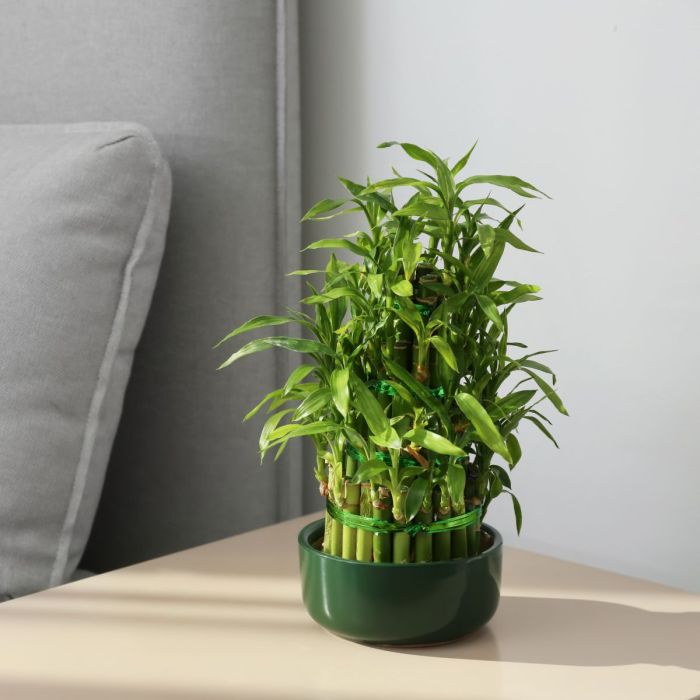
Japanese plant foods offer a unique approach to indoor plant care, emphasizing natural ingredients and balanced nutrient delivery. Proper application is crucial for maximizing their benefits, ensuring healthy growth and vibrant foliage. Careful attention to dilution rates, application frequency, and the specific needs of each plant type is key to success.Effective application of Japanese plant food depends on understanding the product’s formulation and the specific needs of the plants.
Different formulations require varied application methods, and the optimal dilution rate is critical to avoiding nutrient burn or deficiencies. A tailored approach based on plant type and growth stage is essential for achieving the best results.
Dilution and Mixing Procedures
Precise dilution is paramount for optimal nutrient uptake. Over-fertilizing can lead to nutrient burn, hindering growth and potentially harming the plant. Following the manufacturer’s instructions is essential, as variations in product formulations require specific dilution ratios. A general guideline involves dissolving the recommended amount of fertilizer in a specific volume of water, typically distilled or filtered. Thorough mixing is crucial to ensure even distribution of nutrients.
Stirring until the fertilizer is completely dissolved prevents clumping and ensures consistent nutrient delivery to the plant’s roots.
Application Frequency and Amount
The frequency and amount of application depend significantly on the plant’s growth stage and the specific type of Japanese plant food. Young plants require less frequent applications than mature specimens. Factors such as the plant’s size, pot size, and the rate of growth also influence the optimal application schedule. Regular monitoring of the plant’s health is essential to adjusting the application frequency as needed.
Application Procedures for Different Types of Japanese Plant Foods
| Plant Food Type | Dilution Ratio | Application Frequency | Application Method |
|---|---|---|---|
| Liquid Fertilizer | Follow manufacturer’s instructions. Typical dilutions range from 1:100 to 1:500. | Once every 1-2 weeks, depending on plant type and growth stage. | Water the plant thoroughly, ensuring the entire root zone is moistened. |
| Granular Fertilizer | Follow manufacturer’s instructions. Typically mixed with water before application. | Once every 4-6 weeks, depending on plant type and growth stage. | Mix granular fertilizer with water and apply directly to the soil, ensuring it’s evenly distributed. |
| Foliar Spray | Follow manufacturer’s instructions. Often diluted at a much higher ratio. | Once a month or less frequently, as directed by the product information. | Apply a fine mist of the diluted solution directly to the leaves. |
Important Note: Always refer to the specific instructions provided by the manufacturer of the Japanese plant food product for precise dilution ratios, application frequencies, and methods.
Potential Issues and Troubleshooting

Japanese plant foods, while often lauded for their efficacy, can present challenges if not used correctly. Understanding potential issues and their remedies is crucial for maintaining thriving indoor plant environments. Proper monitoring and swift action can prevent minor problems from escalating into significant setbacks.
Nutrient Burn
Over-application of fertilizer, regardless of its source, can lead to nutrient burn. This condition manifests as leaf discoloration, often appearing as yellowing or browning, particularly at the tips and edges of leaves. The affected areas might exhibit scorched or crispy textures. Severe cases can cause defoliation.
- Diagnosis: Examine leaves for signs of scorching, browning, and discoloration, especially at leaf margins. Observe if the problem is localized or spreading. Note the frequency and amount of fertilizer application in relation to the symptoms.
- Solutions: Immediately reduce or discontinue fertilizer application. Ensure the soil is well-draining and not waterlogged, to prevent further nutrient concentration. Increase watering frequency to dilute the concentrated fertilizer salts in the soil. Using a diluted solution is crucial, or completely suspending the application until the plant shows recovery.
Over-Fertilization
Excessive fertilization, even with the appropriate Japanese plant food, can overwhelm the plant’s ability to absorb nutrients. This can lead to stunted growth, yellowing leaves, and even root damage. Over-fertilization can occur when applying too much fertilizer, too frequently, or when using a stronger concentration than recommended.
- Diagnosis: Look for symptoms such as slow growth, yellowing leaves, and possible wilting, regardless of adequate watering. Check the frequency of fertilizer applications and the strength of the solution against the recommended guidelines.
- Solutions: Reduce the frequency of fertilization or the strength of the solution. Ensure adequate watering to dilute the excess nutrients in the soil. Consider using a soil test to determine the nutrient levels in the soil and adjust fertilization accordingly.
pH Imbalances
The optimal pH range for many indoor plants is slightly acidic to neutral. Using Japanese plant foods outside this range can lead to nutrient lockout, where the plant cannot absorb essential nutrients despite their presence in the soil. This is often characterized by yellowing leaves and stunted growth. Understanding the specific pH requirements of your plant species is paramount.
- Diagnosis: Observe for signs of nutrient deficiency, such as yellowing leaves, stunted growth, and overall poor plant health. Conduct a soil pH test to determine the current pH level of the soil. Compare the test results with the recommended pH range for the specific plant species.
- Solutions: Adjust the pH of the soil by adding pH-adjusting compounds, such as peat moss or sulfur, according to the specific needs of your plant species. It’s essential to follow the instructions carefully and monitor the soil pH regularly after adjusting it.
Regular Monitoring
Consistent observation of your indoor plants is critical for detecting potential issues early on. Pay close attention to leaf color, growth rate, and overall plant health. Regularly inspecting your plants, not just after applying the Japanese plant food, can help to prevent minor problems from escalating. Prompt intervention can prevent significant damage and maintain a healthy environment for your indoor plants.
Comparing Japanese Plant Foods with Other Options

Japanese plant foods, often lauded for their natural ingredients and purported benefits, compete with a wide array of other indoor plant fertilizers. Understanding the nuances of these alternatives is crucial for selecting the optimal product for specific plant needs. From traditional chemical-based formulas to more organic options, the landscape of indoor plant nutrition offers a diverse array of choices.The key distinctions between Japanese plant foods and other options lie in their ingredient profiles, claimed benefits, and recommended application methods.
This comparison delves into the specifics, highlighting situations where Japanese plant foods might prove advantageous over their counterparts.
Ingredient Profiles and Their Impact
Japanese plant foods frequently feature a blend of natural ingredients, often derived from seaweed or other organic sources. This contrasts with chemical-based fertilizers, which typically rely on synthetic compounds to deliver nutrients. Organic options often incorporate composted materials, animal manure, or plant extracts. The varying compositions impact nutrient delivery rates, the potential for environmental impact, and the overall health of the plants.
Benefits and Drawbacks of Different Types
Different plant food types offer varying benefits and drawbacks. Japanese plant foods are frequently marketed for their ability to promote balanced growth and enhance overall plant health. Chemical fertilizers, while readily available and effective in delivering nutrients, can potentially lead to nutrient burn if used improperly. Organic fertilizers, though environmentally friendly, may not provide the same level of concentrated nutrient delivery as chemical formulas.
Application Methods and Considerations
The application methods for different plant foods vary significantly. Japanese plant foods often suggest specific dilution ratios and application frequencies, tailored to the particular needs of different plant species. Chemical fertilizers often come in concentrated forms, requiring careful dilution to avoid harming the plants. Organic options may require more frequent applications due to the slower release of nutrients.
Comparative Summary Table
| Plant Food Type | Key Ingredients | Benefits | Drawbacks | Application Method |
|---|---|---|---|---|
| Japanese Plant Food | Seaweed extracts, natural minerals | Promotes balanced growth, enhanced plant health | Potential for inconsistent nutrient delivery | Dilute as per product instructions |
| Chemical Fertilizer | Synthetic NPK formulas | Rapid nutrient delivery, concentrated | Potential for nutrient burn, environmental impact | Dilute as per product instructions, often less frequent applications |
| Organic Fertilizer | Compost, animal manure, plant extracts | Environmentally friendly, promotes soil health | Slower nutrient release, may require more frequent applications | Apply as per product instructions, often less concentrated |
Specific Situations Favoring Japanese Plant Foods
Japanese plant foods might be a better choice for indoor plants exhibiting signs of nutrient deficiencies or struggling to thrive in less-than-optimal indoor environments. Their purported ability to promote balanced growth could prove beneficial for delicate or slow-growing species. For example, if a plant shows signs of yellowing leaves or stunted growth, a Japanese plant food might be a more suitable option compared to a purely chemical-based fertilizer.
Indoor Plant Varieties Suitable for Japanese Plant Foods
Japanese plant foods, often formulated with a focus on balanced nutrient delivery, can be beneficial for a range of indoor plants. These specialized formulations often contain trace elements and micronutrients, crucial for promoting robust growth and preventing deficiencies, particularly in the often-constrained environment of indoor cultivation. Choosing the right plant food for your specific indoor plant is essential for maximizing its health and aesthetic appeal.Indoor plants, like their outdoor counterparts, have varying nutritional needs depending on their species and growth stages.
Understanding these specific requirements is key to ensuring optimal plant health and preventing issues like nutrient burn or deficiency. Japanese plant foods, with their targeted nutrient profiles, can often provide the precise blend of nutrients needed to support healthy growth and flowering in these diverse indoor environments.
Specific Indoor Plant Types Thriving with Japanese Plant Foods
Japanese plant foods are particularly well-suited for plants that appreciate a rich, balanced nutrient supply and have specific needs. These formulations often excel at supporting vigorous growth and vibrant foliage.
- Philodendrons: Philodendrons, known for their lush foliage, benefit from the balanced nutrient content in Japanese plant foods. Their rapid growth and tendency to develop attractive variegation often require a consistent supply of essential nutrients. Optimal conditions include bright, indirect light and consistently moist, but not waterlogged, soil. These plants are highly sensitive to nutrient deficiencies and excess, so Japanese plant foods provide the calibrated nutrient solution they need.
- Pothos: Pothos, with their trailing vines and adaptability, also thrive with Japanese plant foods. These plants are relatively fast-growing and respond positively to a consistent supply of nutrients, promoting healthy growth and preventing leaf yellowing. Bright, indirect light and a well-draining potting mix are crucial for their well-being. Japanese plant foods help maintain the balance required for vibrant green foliage.
- ZZ Plants: ZZ plants, renowned for their resilience, can also benefit from the targeted nutrients in Japanese plant foods. These plants are particularly tolerant of low-light conditions and infrequent watering, but even their resilience can be boosted with the right nutrients. Japanese plant foods provide the essential nutrients to maintain their vibrant foliage, even in less-than-ideal indoor environments. Optimal conditions include bright, indirect light and well-drained soil.
- Monsteras: Monsteras, prized for their distinctive fenestrations (holes), appreciate a balanced nutrient supply to develop their signature leaf patterns. The proper nutrients help support their growth and the development of their unique leaf characteristics. High humidity, bright, indirect light, and well-drained soil are vital for these plants. Japanese plant foods, with their focus on balanced nutrient delivery, help maintain the appropriate nutrient balance for their growth.
Optimal Conditions for Indoor Plants Using Japanese Plant Foods
Maintaining optimal growing conditions for indoor plants using Japanese plant foods is crucial. Light, humidity, and soil quality all influence plant health and the effectiveness of the plant food.
- Light: The amount of light varies by plant species. Some thrive in bright, indirect light, while others prefer low-light conditions. Adequate light is essential for photosynthesis, which drives the plant’s growth cycle. Japanese plant foods support plants in both light conditions.
- Humidity: Indoor environments often have lower humidity than outdoor environments. Some plants, such as ferns and orchids, require higher humidity. Maintaining proper humidity levels ensures that the plants can effectively absorb nutrients and water, which Japanese plant foods help maintain.
- Soil Quality: Well-draining potting mix is essential for preventing root rot. The right soil structure allows for proper aeration and water retention, which Japanese plant foods help the plant utilize effectively.
Suitability Table for Indoor Plants and Japanese Plant Foods
| Plant Type | Suitability for Japanese Plant Foods | Specific Needs |
|---|---|---|
| Philodendron | High | Balanced nutrient supply, consistent moisture |
| Pothos | High | Consistent nutrient supply, bright indirect light |
| ZZ Plant | Medium | Resilient, infrequent watering, well-drained soil |
| Monstera | High | Balanced nutrient supply, high humidity, bright indirect light |
| Snake Plant | Medium | Tolerant of low light, infrequent watering |
Environmental Impact and Sustainability
Japanese plant foods, while offering benefits for indoor plants, raise important considerations about their environmental footprint. Understanding the sustainability aspects of these products is crucial for responsible gardening practices. A holistic approach to plant care must consider the environmental impact of the entire process, from product sourcing to application and disposal.Modern indoor gardening practices often involve synthetic fertilizers, potentially contributing to pollution.
Japanese plant foods, often derived from natural sources, aim to reduce this environmental burden. Evaluating the overall lifecycle of these products—from raw materials to final disposal—is critical to assessing their true sustainability.
Environmental Impact of Traditional Fertilizers
Traditional chemical fertilizers, commonly used in agriculture and sometimes in indoor gardening, often rely on synthetic nitrogen and phosphorus. These synthetic compounds can have negative environmental consequences, including water pollution, greenhouse gas emissions, and soil degradation. The over-application of these fertilizers can lead to algal blooms in waterways, depleting oxygen and harming aquatic life. Runoff from improperly managed fertilizer applications can contaminate groundwater supplies, posing risks to human health.
Sustainability Aspects of Japanese Plant Foods
Japanese plant foods often utilize natural ingredients, such as seaweed extracts, kombucha, and other organic sources. These ingredients, when properly sourced and processed, can contribute to a more sustainable approach to indoor plant care. The focus on natural ingredients and reduced reliance on synthetic chemicals can minimize environmental harm compared to conventional fertilizers. Careful consideration of packaging materials and production processes also contributes to the overall sustainability profile.
Eco-Friendly Japanese Plant Food Options
Numerous eco-friendly Japanese plant food options are available. Look for products emphasizing organic sourcing, minimal packaging, and environmentally responsible manufacturing processes. Brands that utilize recycled or biodegradable packaging demonstrate a commitment to reducing waste. Choosing products with certifications, like those from recognized organic farming organizations, can ensure that the plant food aligns with sustainability standards. For instance, plant foods derived from composted seaweed or fermented plant extracts are often excellent eco-friendly choices.
Long-Term Effects on Indoor Plant Health and the Environment
Consistent use of Japanese plant foods, particularly those with natural ingredients, can contribute to healthier indoor plants over time. Healthy plants are more resilient to pests and diseases, reducing the need for pesticides, which have their own environmental implications. By fostering a healthy indoor ecosystem, the use of Japanese plant foods can indirectly contribute to a healthier environment.
The long-term benefits extend beyond the plants themselves, promoting a more sustainable indoor gardening practice. The reduced reliance on synthetic chemicals can contribute to healthier air quality within the home.
Visual Representation of Japanese Plant Food Products
Japanese plant food, a cornerstone of indoor gardening in Japan, boasts a diverse range of products. Beyond their effectiveness, the visual presentation often reflects the meticulous attention to detail that characterizes Japanese design aesthetics. This visual language communicates quality, sustainability, and the inherent care that goes into the product’s formulation.The packaging of these plant foods frequently employs a minimalist aesthetic, emphasizing natural tones and understated imagery.
This approach aims to connect the product to the natural world and underscore the purity of the ingredients. Careful consideration of typography and layout further contributes to a sophisticated and inviting presentation.
Packaging Design Considerations
Japanese packaging design often prioritizes clarity and functionality. The visual elements convey key information about the product, including its intended use, ingredients, and application instructions, while remaining aesthetically pleasing. Clear, concise labeling in both Japanese and English (where applicable) is essential for accessibility. A significant focus is placed on sustainability, with eco-friendly materials and minimal packaging often used.
Popular Japanese Plant Food Brands and Products
| Brand | Product Name | Packaging Description | Ingredients (Example) |
|---|---|---|---|
| Sakura Green | Bloom Booster | A sleek, matte-finish bottle with a vibrant green label featuring a stylized cherry blossom. The font is clean and modern. | Organic seaweed extract, kelp meal, diluted molasses |
| Kaguya Soil | Root Growth Formula | A sturdy, white box with a muted beige label. Simple, elegant graphics depicting healthy root systems. | Composted tea leaves, natural vermiculite, bone meal |
| Arashi Leaf | Super Bloom | A transparent plastic jar with a dark-grey lid. The label features illustrations of vibrant flowers and foliage. | Organic bat guano, fish emulsion, beneficial bacteria |
| Hachimaru Grow | Nutrient Boost | A stylish, rectangular cardboard box with a light-brown background and gold accents. The design features a stylized representation of a bamboo plant. | Vitamins, minerals, amino acids derived from Japanese rice bran |
The packaging of Sakura Green’s Bloom Booster, for example, uses a palette of green and white, conveying a sense of freshness and vitality. The subtle cherry blossom design adds a touch of Japanese aesthetic. Similarly, Kaguya Soil’s Root Growth Formula emphasizes simplicity and functionality, making it easy to identify the product’s purpose. These design choices are not merely decorative; they reinforce the brand’s identity and the product’s qualities.
Conclusive Thoughts
Japanese plant foods provide a nuanced approach to indoor plant care, drawing on centuries of horticultural tradition. Their unique formulations and application methods offer potential advantages for enhancing plant health and vigor. By understanding the nuances of these products and the specific needs of various indoor plants, growers can achieve thriving, healthy indoor gardens. Ultimately, a deeper appreciation for these plant foods opens doors to more sustainable and enriching indoor environments.
